
Laparoscopic & Open Hernia Repair
Tension-free mesh hernia repairs (TEP / TAPP keyhole & open Lichtenstein) with minimal recurrence risk.
Hospital Stay
24 - 48 hours (Daycare option available)
Recovery Time
5 - 10 days
Anaesthesia Type
Spinal or General Anaesthesia
When Is This Procedure Indicated?
- Inguinal hernia (groin bulge that enlarges with coughing or standing)
- Umbilical and paraumbilical hernia around the navel
- Incisional hernia occurring at sites of previous abdominal surgery scars
- Femoral hernia with risk of bowel strangulation or obstruction
- Recurrent hernias requiring reinforced mesh placement
Why Choose Shehjar Hospital for this Procedure?
Gold-standard biocompatible prolene mesh reinforcement
Laparoscopic approach allows bilateral repairs through identical tiny incisions
Minimal post-operative pain and early return to work within a week
Comprehensive pre-anaesthetic evaluation for elderly and diabetic patients
NABH-governed laminar airflow operation theatres preventing surgical site infection
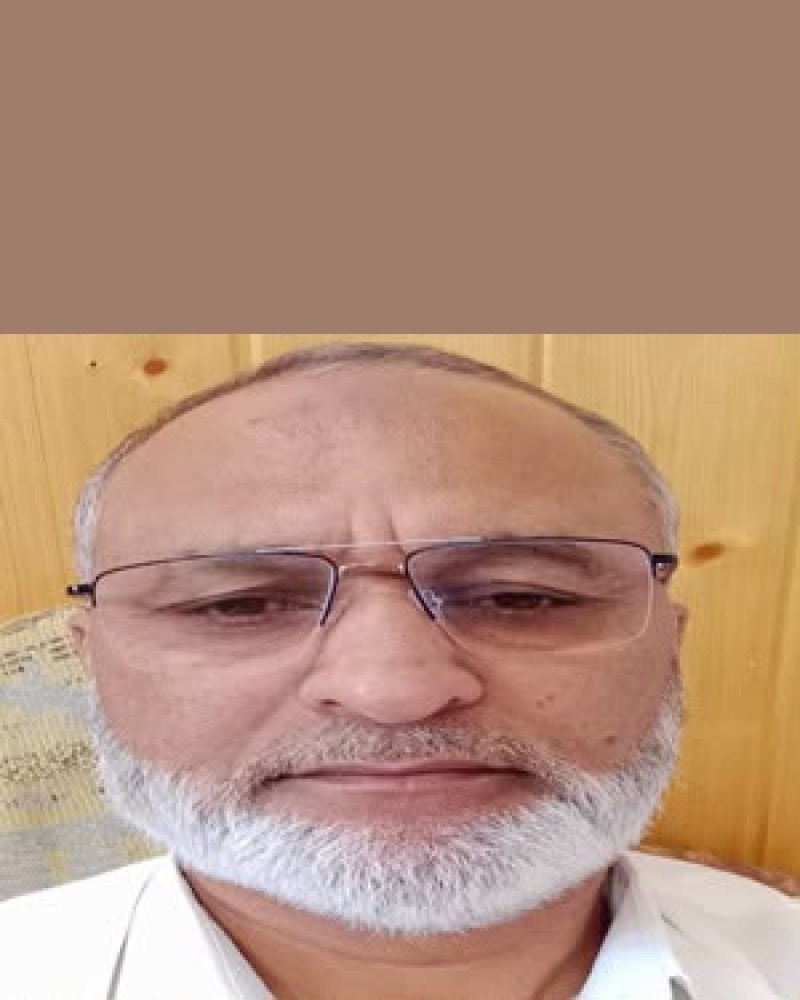
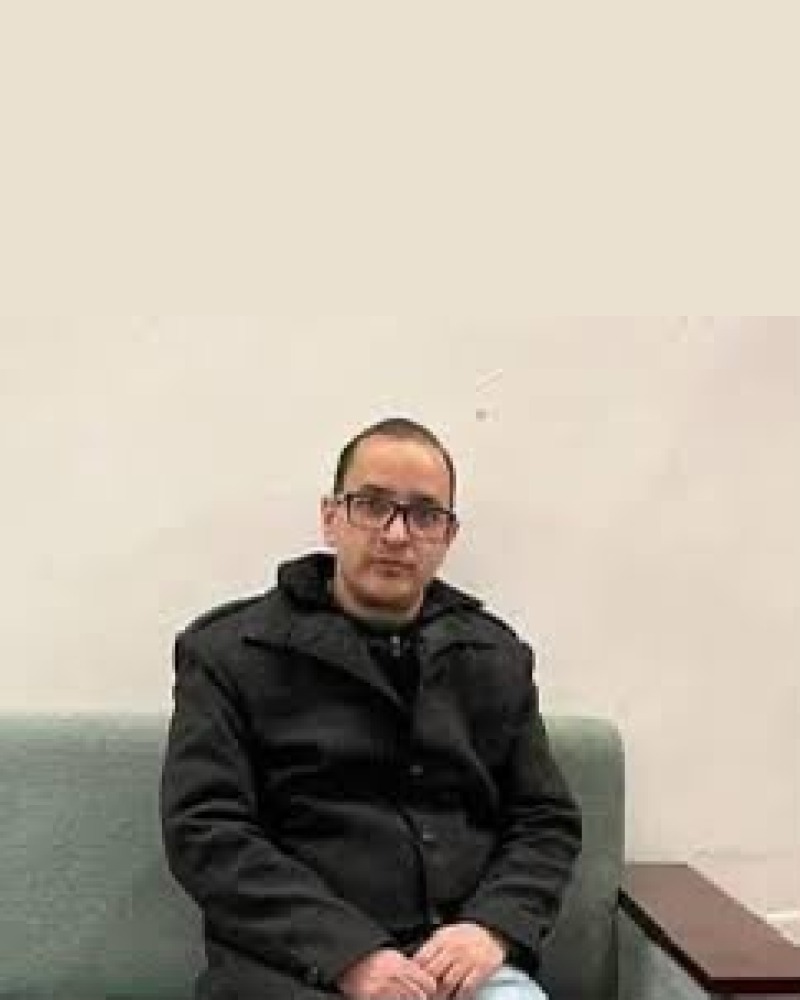
Specialists Performing This Surgery
Frequently Asked Questions
Can a hernia heal on its own with medicines or exercises?
No. A hernia is a physical defect or hole in the muscle wall. Medications can only relieve acidity or pain temporarily; surgical repair is the only definitive cure.
What is the difference between laparoscopic and open hernia repair?
Laparoscopic repair uses three small punctures to position the mesh behind the muscle wall, offering faster recovery and less post-operative tenderness, particularly for bilateral or recurrent hernias.
What are the emergency signs of a complicated hernia?
If a hernia becomes suddenly painful, irreducible (cannot be pushed back), accompanied by severe vomiting or red skin discoloration, it indicates strangulation and requires immediate emergency surgery.
Schedule an Evaluation
Book a consultation with our surgical team at Shehjar Hospital Anantnag. Walk-in token or advance appointment available.